

A Guide to Surviving the Great Forgetting: How to (re)train your memory


For those of you who prefer to read off paper rather than the screen, we have converted the post into an easily printable pdf file here.
…this discovery of yours will create forgetfulness in the learners’ souls, because they will not use their memories; they will trust to the external written characters and not remember of themselves. The specific which you have discovered is an aid not to memory, but to reminiscence, and you give your disciples not truth, but only the semblance of truth; they will be hearers of many things and will have learned nothing; they will appear to be omniscient and will generally know nothing; they will be tiresome company, having the show of wisdom without the reality.
Socrates, The Phaedrus
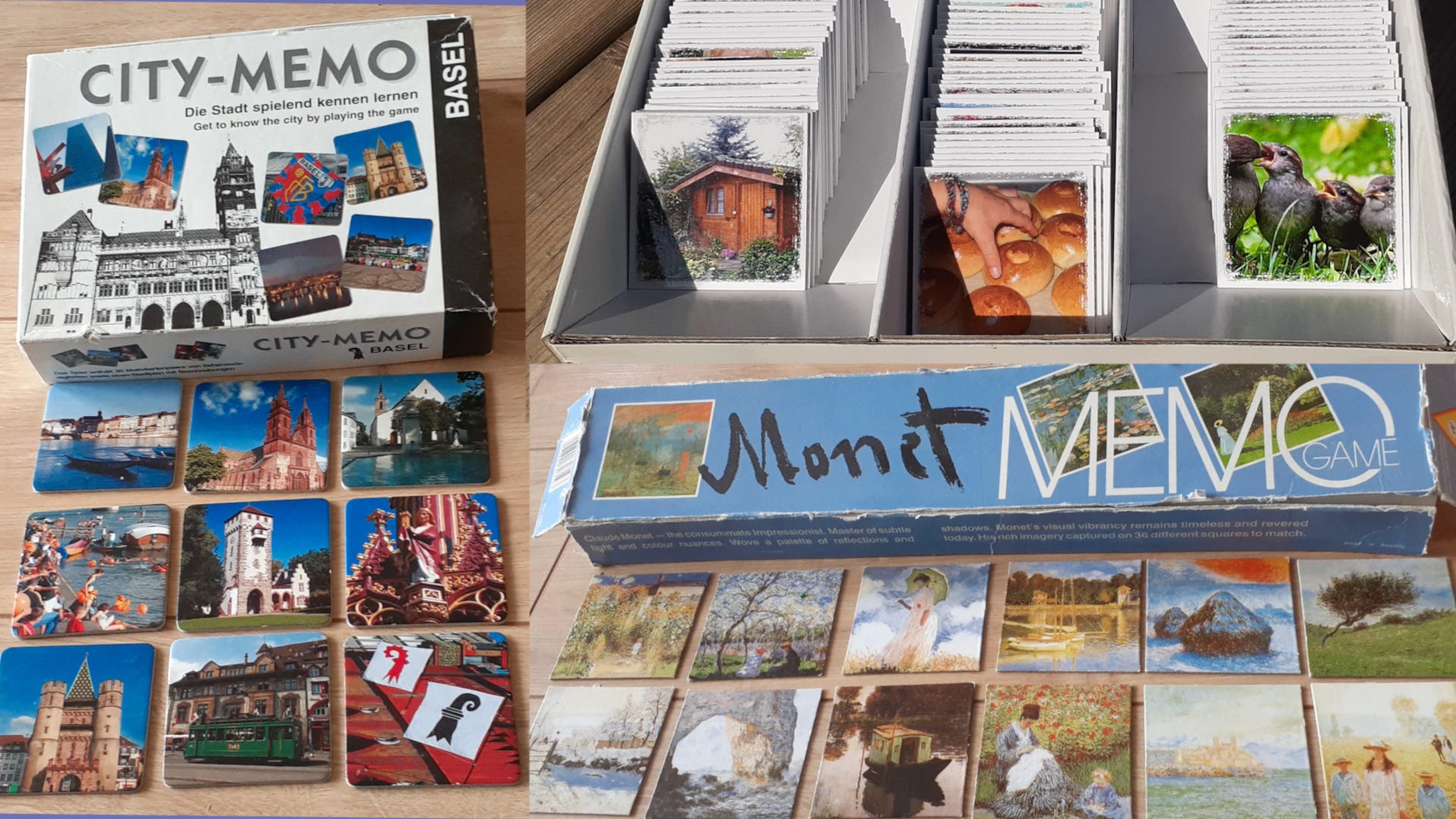
Sitting next to the porcelain-tiled stove in my grandmother’s kitchen in Switzerland, I used to lay out a large array of memory game cards and challenge her to a round. My grandmother was 80, I was 8, so I would invariably win, childishly proud of my apparently superior memory. Fast forward a couple of decades and you would see my own children taking joy in trying to beat me in the game.
Yet, memorization is no child’s play. According to Nicholas Carr, author of The Shallows-What the internet is doing to our brains, the increased outsourcing of memory threatens not only the depths and distinctiveness of the self, but of the culture we all share: “Outsource memory, and culture withers.”
With the advent of AI, not only does our culture wither, but so does our mind. In The Memory Paradox: Why Our Brains Need Knowledge in an Age of AI, leading cognitive science researchers confirm that allowing AI to step into our mental household is having drastic consequences on our capacity to remember and think for ourselves.
Mary Harrington suggests that, “at least at the collective level AI is survivable, but only provided we counterbalance this effect by deliberately cultivating our human faculty for memory, as distinct from the digital kind.”
In today’s post we’ll provide insights into how “critical thinking” and cognitive offloading are eroding memory faculties, and offer a practical guide to (re)train your memory, using approaches that have been proven to work, including: facts, poetry, speeches, memory palaces, visual memory, and more, and hope that you will feel encouraged and inspired to bring your mind back to life.
We are happy to share this post with all subscribers, but it but it took a lot of time and effort :) Please consider supporting our work by becoming a paid subscriber.
Memory vs. Critical Thinking
In former times, students memorized poems, the presidents, Latin conjugations, and famous speeches such as the Gettysburg Address. It was a foundational method of learning, and while laborious and tedious for many, it was simply done. Until, that is, ‘progressive’ educators in the mid-twentieth century decided that memorization was just an outdated mechanical activity. They claimed it didn’t produce true knowledge, but was mere cud chewing.
Many of these educators were trained to adhere to Benjamin Bloom’s 1956 Taxonomy of Learning, which led to a canonical disdain of memorization in the classroom and steered students toward “higher order skills” such as analyzing and synthesizing, rather than frittering time away with supposedly “lower order skills” such as knowing and memorizing. But how do you analyze and solve problems without a solid base of knowledge? As one critic has observed, this viewpoint
…assumes that education imparts skills rather than leading students to knowledge or truth. Like the architect encountered by Gulliver at the Grand Academy of Lagado, it represents an attempt to build a house from the top down. There is literally no foundation. In Gulliver’s third recorded voyage, Swift consistently mocks the notion of “thinking” abstracted from any real knowledge.
It’s impossible to “think for yourself” when you don’t have much to think about. And yet in more recent years, the most highly prized skill in educational circles has been “critical thinking”. It is viewed as the holy grail of learning and portrayed as the very antithesis of rote memorization. Teachers insist that they do not want students to memorize words and facts, claiming it might turn kids into mere robots; instead they want them to think about words and facts critically, elevating them to the level of “independent thinkers”. This sounds reasonable, even laudable. But is it?
The more factual knowledge people have about a topic, the better they can think about it critically and analytically. The more knowledge we have stored in long-term memory, the fewer items take up valuable space in (shorter-term) working memory. Memorization is not antithetical to critical or analytical thinking, but rather forms the foundations for it.
In 1946, a groundbreaking study demonstrated that the reason expert chess players chose better moves than weaker players was not because they were better analytical thinkers. It was because they had a vast knowledge store of typical chess positions, acquired through memorization, that they could draw on. Committing knowledge to long-term memory is virtually unlimited. The more knowledge you have stored in long-term memory, the fewer items take up valuable space in working memory. This is why students who have trained their memories perform better on tasks that require analysis.
“Education is the ability to retrieve information at will and analyze it. But you cannot have higher-level learning–you can’t analyze–without retrieving information.”
- Raemon Matthews, trainer for the U.S. Memory Championships
The curtailing of memorization and its replacement with critical thinking hasn’t just resulted in a shift in how we teach; it can impact culture through the forgetting of shared historical knowledge and tradition. In the extreme this tendency can be politicized, as Mark Bauerlein has argued:
The more sophisticated theorists of change knew all along what critical thinking would do to the traditional contents of the curriculum. They didn’t need to declare open war on Western Civ (though some did anyway). The shift from memorization to critical thinking would do the job.1
Unfortunately, “critical thinking” has sometimes turned into pedagogical wolf in sheep’s clothing, critiquing existing knowledge and understandings not to build on them or refine them, but to “deconstruct” them, as a way knocking out the foundational cornerstones that society rests on.
Nor is this just an educational “opinion”, but has now been demonstrated in the neuroscience of learning:
Mid-20th-century education emphasized content knowledge and coincided with unprecedented IQ gains. Late-20th-century education claimed to prioritize “learning how to learn” over memorization but implemented methods that neuroscience now reveals were actively hampering effective learning — coinciding with stagnating or declining IQ scores. This correlation demands reconsideration of approaches that devalued memory under the misguided assumption that it wasn’t essential for deeper thinking.
Memory vs. the Google Effect
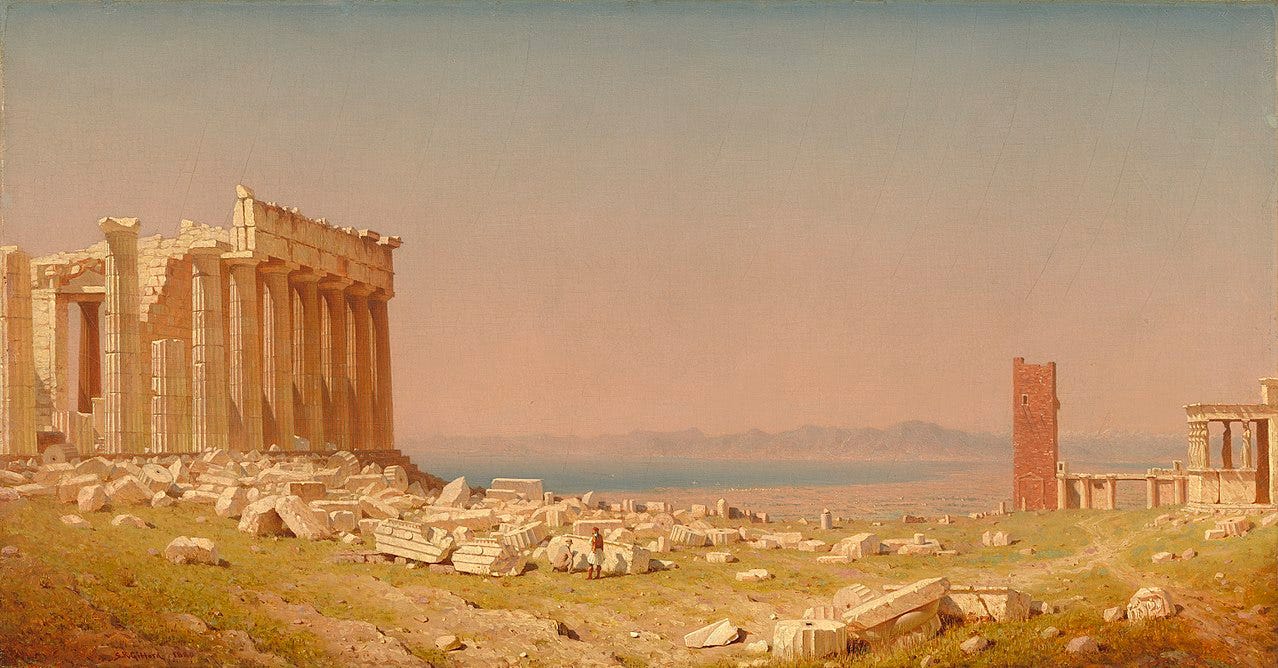
Memorization is not only losing the battle against “critical thinking”, but has become weaker with the advent of digital technology. Why spend time memorizing when you can just Google it? The lure of easy “knowledge” is a tap away and seems to make committing knowledge to heart a senseless waste of time.
As Nicholas Carr observed back in 2010—a digitally primitive age compared to where we are now—the internet, rather than improving our minds with its copious expanse of information, had instead revealed itself to be a “technology of forgetfulness”.
He explains that, “the key to memory consolidation is attentiveness.” Most everyone has experienced how insidiously distracting the Web and any digital devices are. However, storing explicit memories, and actually forming connections between them, “requires strong mental concentration, amplified by repetition or by intense, intellectual or emotional engagement.” This means that the incessant distraction experienced in our use of digital technology does not even allow for memory consolidation to get started.
According to Carr, the sheer deluge of information that bombards us, “places more pressure on our working memory, not only diverting resources from our higher reasoning faculties, but obstructing the consolidation of long term memories and the development of schemas.”
To make matters even worse, brains are incredibly adaptive. This means that the more we use the Web, the more our brain is trained to be distracted, to process information quickly without sustained attention, and to inadvertently become not adept at remembering, but at forgetting.
We can end up in a self-defeating cycle, where our devices make it harder for us to lock information into our biological memory, leading to further reliance on the Web’s artificial memory, which in turn weakens our ability to remember. We are far less able to recall information that we expect to be able to have access to in the future.
In AI Tools in Society: Impacts of Cognitive Offloading and the Future of Critical Thinking, Michael Gerlich comments:
One of the most notable impacts of AI on cognitive functions is related to memory. AI tools like virtual assistants, search engines, and recommendation systems facilitate information retrieval, potentially altering how individuals store and recall knowledge. Sparrow, Liu, and Wegner introduced the concept of the ‘Google effect’, suggesting that the availability of information at our fingertips reduces the need for internal memory retention. This phenomenon, also known as ‘transactive memory’, implies that people are more likely to remember where to find information rather than the information itself. While this can enhance efficiency and quick access to information, it raises concerns about the potential decline in memory retention capabilities.
Many interviewees, particularly those in the younger age group (17–25 years), expressed a heavy reliance on AI tools for tasks ranging from simple information retrieval to more complex decision-making processes. They described how AI tools, such as virtual assistants and search engines, have become integral to their daily routines.
How to (re)train your mind

Our ability to find humor in the world, to make connections between previously unconnected notions, to create new ideas, to share in a common culture: All these essentially human acts depend on memory.
Joshua Foer, USA Memory Champion
You may be under the impression that some people simply have great memories and other don’t, just like Joshua Foer once thought. Foer was a freelance journalist who saw competitors at the USA memory championships recalling incredibly long strings of numbers, card sequences, and poems. The experience so captivated him that he went on to train himself in an ancient technique known as the “memory palace”, then entered and won the championship the following year—and then wrote about it in his book Moonwalking with Einstein.
“My memory is a Ferrari, and I’m going to learn how to drive it super-fast!” Memory coach Kyle Buchanan emphasizes that memory is not a physical part of the brain, but rather a mental function that can be trained and improved, like a muscle. The more we exercise our memory, the stronger we can make this mind muscle, enriching our knowledge and perspectives throughout our lives.
The first step is to deliberately nurture memory. This requires patience, diligence, and time. But just like teaching your own children, planting a garden, raising chicks, or baking your own bread, it produces a worthwhile and uniquely satisfying outcome. You can start by memorizing anything: facts, poems, monarchs, Bible verses, sonnets, famous speeches, pi, etc. The aim is to steer away from reliance on outsourcing memory to machines and instead developing habits that allow our biological memory to find a firm foothold.2
Facts
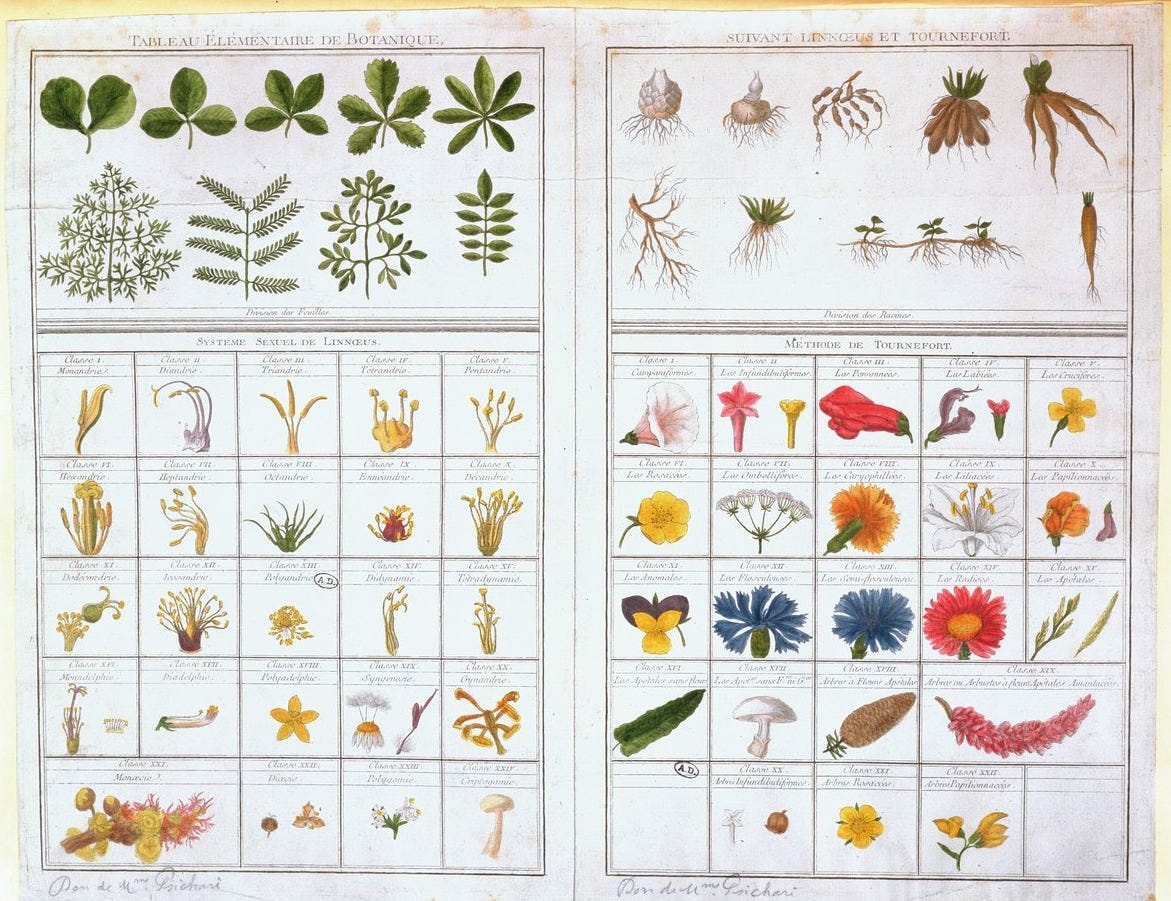
I spend a lot of time thinking about the Ancient Greek word for truth, aletheia. The “lethe” in the middle is the River Lethe that runs through the underworld—the river of oblivion or forgetfulness. And the prefix “a” means “not” (as in “asexual”). So for the Ancient Greeks, truth wasn’t a series of facts. It was a moment of remembering. Eleanor Robins
For memorizing facts, there are few strategies more enjoyable, fun, and stunningly effective than the link-and-story method. We learned this approach from Memorize Academy, which has perfected this approach by joining it with whiteboard animation. This technique uses “visualization and association to leverage the astonishing natural power of visual memory”. One of the fourth- grade students in my homeschool chemistry co-op once told me, “I know the first 30 elements of the periodic table like I know my name!”
I have tried this with students as young as Grade 3 all the way to high school and it worked perfectly for all of them. Here is a sample video of the ‘How to Memorize the Periodic Table’ to give you a taste for the link-and-story method. With this method you can memorize the entire periodic table in around three hours. You can access many of the videos for free on the site’s blog, including presidents, longest rivers, pi, and more. Once you get the idea of the method, you can easily develop your own version of the link-and-story method for facts you would like to memorize. The Craft of Memory also has excellent resources on how to memorize the Bible, remembering names, and regions, capitals, and cities.
For further reading on memorizing facts, Joshua Foer’s Moonwalking With Einstein: The Art and Science of Remembering Everything is a fascinating page-turner.
Memory Palace
This technique takes advantage of the power of visual association. For each piece of information that you need to remember, turn it into a visual image, and then associate that image with a route in the real world, such as a familiar location, room, or home. Here are the steps in more detail:
Step 1: Choose a place that you know well, like your home.
Step 2: Plan out a route within the home, for example front door, shoe rack, hallway, living room, and so on.
Step 3: Take a list of something that you want to memorize, like a grocery list (e.g., milk, bread, apples, peanut butter, eggs, etc.).
Step 4: Create a mental image of each item, and place each item in a different spot in your memory palace. Exaggerating the images in humorous ways can help. For example, if you place a carton of milk by the front door, you can imagine the carton as being huge and tipping, spilling milk all over the floor.
With practice, you can enlarge your memory palace to include different rooms, allowing you to have more locations where you can place things you need to recall.
In this post Ronald Johnson explains how to use the Memory Palace method; he even “designed” his memory applying this approach (see A Designed Memory: How to Use Number Systems to Create an Internal Library of Texts)
Poetry
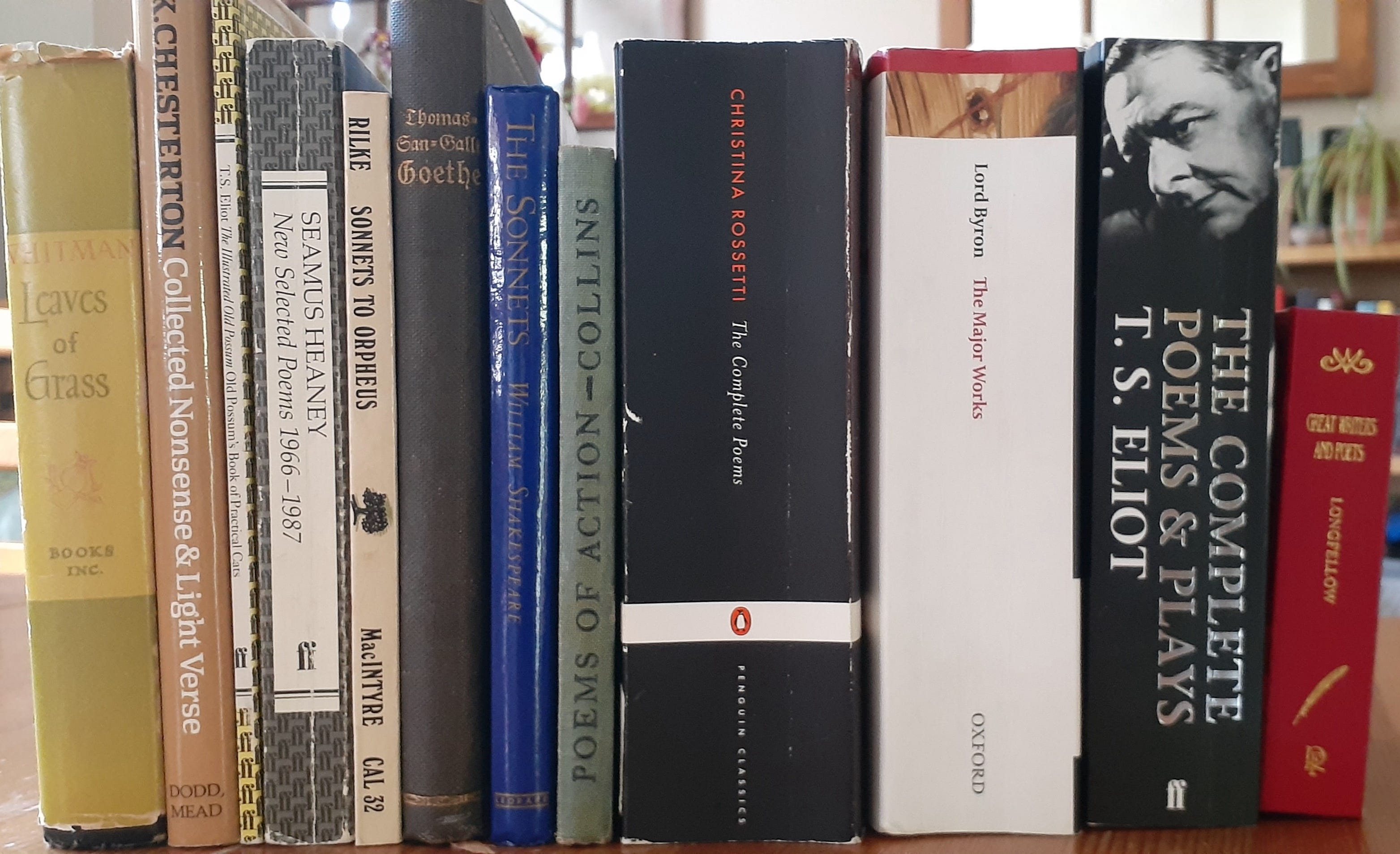
In an his New Yorker essay Why We Should Memorize, Brad Leithauser presents a profound argument for how poetry changes not just our brain, but also our heart:
The best argument for verse memorization may be that it provides us with knowledge of a qualitatively and physiologically different variety: you take the poem inside you, into your brain chemistry if not your blood, and you know it at a deeper, bodily level than if you simply read it off a screen.
Mensa for Kids provides clear and wonderfully helpful instructions:
“How to memorize a poem in a few simple steps (really)
Read through the poem carefully and slowly and out loud. It’s okay if you don’t get it all right away. Just read it, letting the language flow out of your mouth.
Copy the poem over in your own handwriting, writing on every other line. Try to keep the lines and stanzas on your paper the same as in the original poem.
Read the poem out loud again.
Using an index card or a piece of paper, cover up all of the poem except the first line. Say that line over to yourself three times. Now, gaze off into space for a moment and try to say the line from memory.
Repeat this with the rest of the lines in the stanza, saying the lines you have already worked on, too. If the poem is not divided into stanzas, divide it yourself into groups of three or four lines.
Once you have one stanza down, go to the next one, again working line by line.
Put those two stanzas together, and then move on. Repeat this until you reach the end of the poem.
You will think you have it down pat, and you will be wrong. It will take practice to move this information from your short-term memory to your long-term memory. To practice, follow the ideas below:
write the first letter of each word on an index card and practice with the card, using the letters to prompt you
record yourself reading the poem and listen to it (if you can load it on an iPod or MP3 player, that is awesome practice)
say the poem out loud when you are walking by yourself
say it while you are in the shower, drying your hair, or exercising (repetitive motion like a foot striking the track will help get the pattern of the poem in your mind)
write it out over and over
think it to yourself when you are bored.”
Here’s a brief interlude with Gandalf (Sir Ian McKellen) reciting Sonnet 81 to inspire you:
You can find a list of 10 classic poems to commit to heart on Mensa’s A Year of Living Poetically, including “Invictus” by William Ernest Henley, “Sonnet 116” by William Shakespeare, and “Do Not Go Gentle into that Good Night” by Dylan Thomas. My students memorized Henry Wadsworth Longfellow,using the Mensa for Kids Poem #10 template. I then broke the poem down into three practice lessons, which left students to fill in the missing words. After several rounds of practice and dedication, the students were able to recite the complete poem.
You can download the poem practice lessons for A Psalm of Life here.
Also see: How I read poems, with aphantasia by Hollis Robbins
Speeches
Memorizing famous speeches has been a practice since the “Golden Age of Eloquence” in Ancient Greece. Over the years I’ve created a collection of excerpts of great speeches for students to memorize including:
Elizabeth I, Golden Speech, delivered at London, England, November 30, 1601.
Patrick Henry, “Give me liberty or give me death” speech made to the Second Virginia Convention on March 23, 1775
Clarina Howards Nichols, The Responsibilities of Woman, 1851
Abraham Lincoln Gettysburg Address, November 19, 1863
Susan B. Anthony, Women’s Rights to the Suffrage, 1873
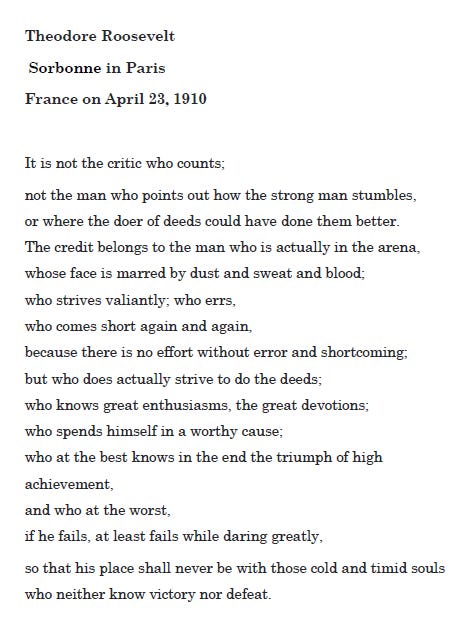
Theodore Roosevelt, The Man in the Arena, Sorbonne in Paris, France, April 23, 1910
and more…
You can download the speech selections to memorize here.
Train visual memory

“I have experienced no small benefit, when in the dark and in bed, by retracing in my mind the outlines of those forms which I had previously studied, particularly such as had appeared the most difficult to comprehend and retain; by this method they will be confirmed and treasured up in the memory.” Leonardo da Vinci
Picture study with actual art is a wonderful method to train visual memory. If you live near a gallery, take advantage of experiencing original paintings in all their detail. We visit the “Kunstmuseum” in my hometown Basel whenever we are there and love revisiting the brush strokes of Monet, van Gogh, Pissarro, and Holbein.
At home you can display an art print, examining it daily. By the end of the week turn it over and try to recall as much detail as possible.
We are inundated with a barrage of visual images wherever we turn, but we rarely pay deliberate attention to the details we are seeing. For children, playing memory card games helps them to slow down, focus, and remember visual details.
Avoid using GPS
Research suggests that using GPS to get around our environment can reduce our spatial memory abilities. For instance, in one study, people who were more reliant on GPS were poorer at other visual tasks involving navigation. GPS systems are convenient, but like many technologies, we can end up cognitively offloading important mental skills onto them.
When driving, we don’t use GPS. Instead we write down driving instructions and make a hand-drawn simple map. This may sound incredibly outlandish, but it will literally shift and deepen your connection with your surrounding environment. By relying wholly on GPS instructions, we lose the important fundamental skill of being able to position ourselves independently.
Learn a language
Learning a new language can strengthen our “cognitive reserve”, building up not only our mind’s memory capacity, but also our deep attention skills. It might also help reduce the chances of dementia in older age.
If you want to challenge yourself to some serious mental calisthenics, the Ancient Languages Institute offers online classes in Latin (also for kids), Attic/Koine Greek, Biblical Hebrew, and Old English (found out about this via Colin Gorrie from the Dead Language Society who is Dean of Students).
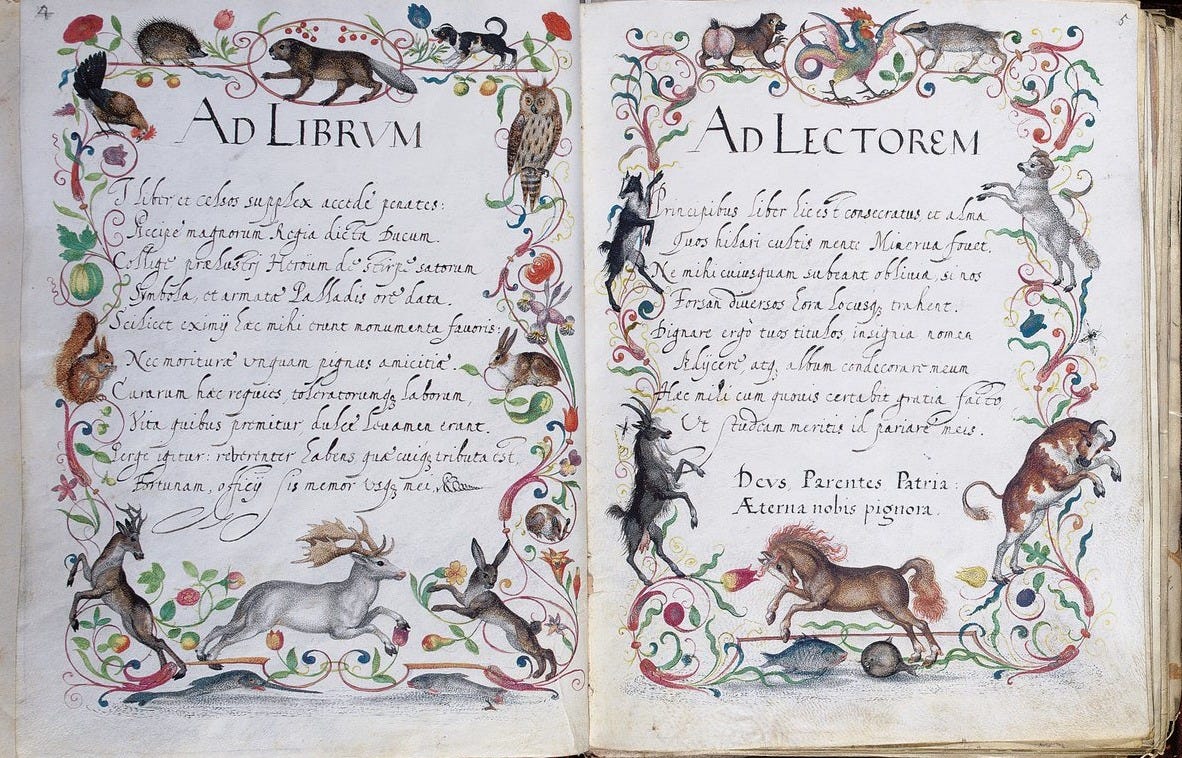
In his 1512 textbook “De Copia” Erasmus encouraged readers to keep a commonplace book to note down, “occurrences of striking words, archaic or novel diction, brilliant flashes of style, adages, examples, and pithy remarks worth memorizing”. These commonplace books were all the rage back then and were even regarded as necessary tools for “the cultivation of an educated mind.”
Why not memorize classic English words and Latin/Greek stems? You can download the classic vocabulary lists here. I have developed Latin / Greek stem study lists with accompanying practice worksheets, flashcards, and quizzes. You can download the first set of 10 free here.
You can access the complete downloadable resources here.
Journaling
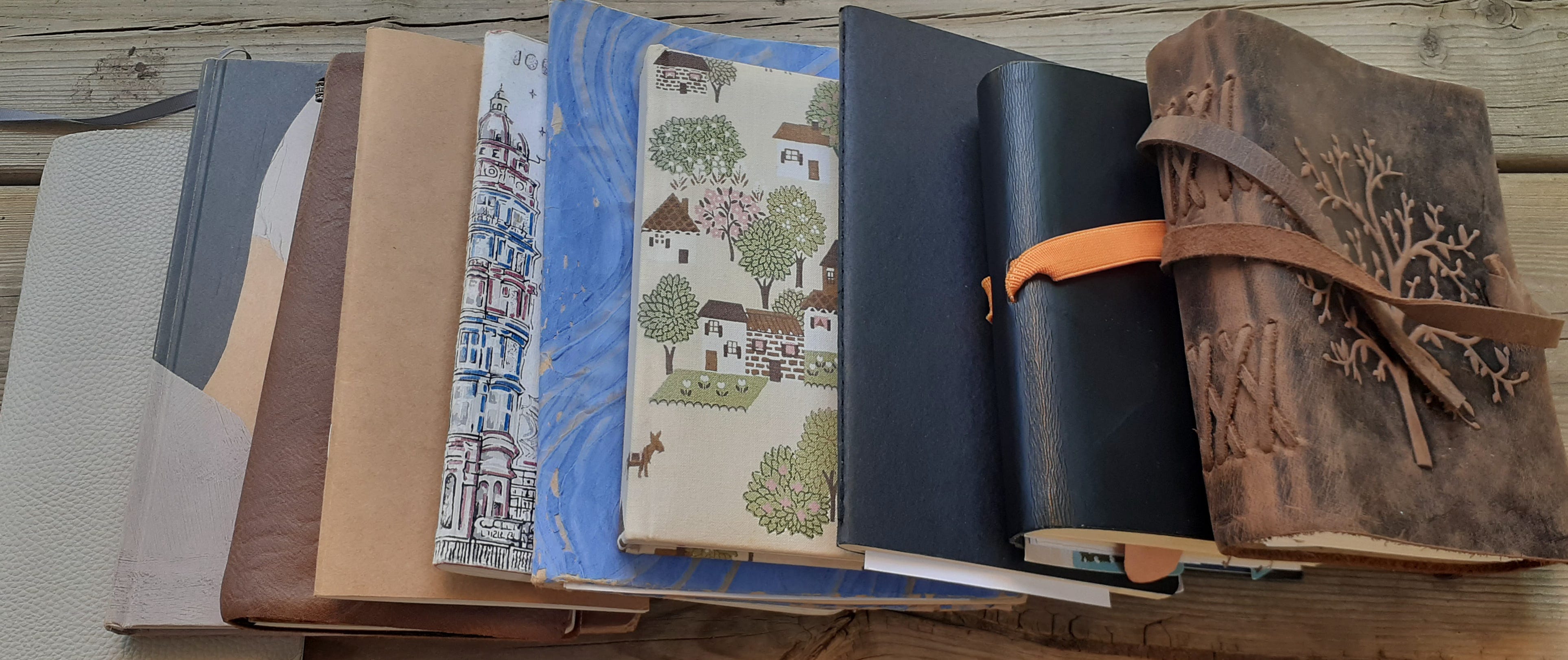
Journaling at the end of the day or week helps to translate events into words. The act of writing experiences down by hand engraves them further in our memory and has the added benefit of processing out emotions. Before we had children, I kept quite detailed diaries, collecting cinema stubs, receipts, or other paper mementos. As a young mother, these entries became shorter and less frequent, but one practice that I found especially useful was writing down children’s quotes that made me laugh (e.g. “Do roly-polies have family relations?”; “What do you want to be when you grow up? - A rocket!”).
When our oldest daughter was sixteen, she wrote a diary entry every single day for one whole year. Some of the entries simply listed what she did during the day or who she saw, others had some deeper reflections. When we asked her whether she experienced any effect from this practice, she noted that the days felt more distinct, and time felt less like a blur.
Some specific suggestions for the practice of journaling:
Get a physical journal that you enjoy holding in your hand.
Keep your journal visible and easily accessible.
If you don’t have an actual journal, just pick up a pen and simply start by noting down some of the events of the day, even if they seem banal.
Keep writing, even if you can’t do it regularly.
Paging through old diaries can reawaken memories that are seemingly lost, and recapture the mood and mind of an earlier age.
Make print copies of photos – and look at them
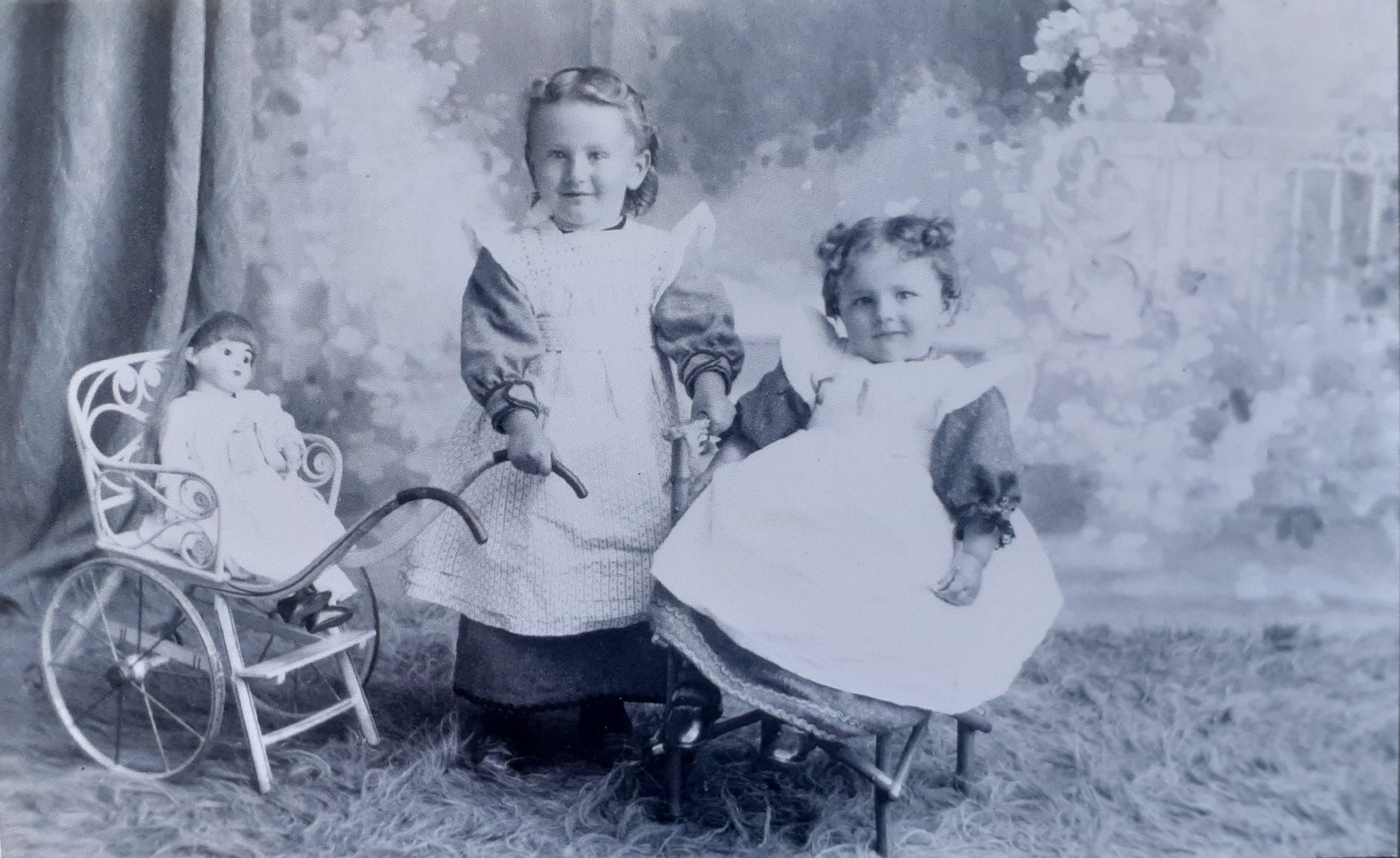
Excessive photo documenting not only cheapens our memories, but also teaches children that the world is to be viewed and valued through a screen.
Too often, pictures are used as a way of signaling to others that we’ve done something important or interesting, rather than as a way of remembering meaningful events in our lives.
You can reverse this tendency simply by spending more time looking at the photos you take, and actively reviewing memories of the event. That might sound simple enough, but doing it on a smartphone or other digital device brings the risk of scrolling through pictures quickly, or getting distracted by other activities on the phone, which disrupts both our memory and our ability to appreciate the past.
Periodically sort through your digital archive and print up a small collection of important photos. This collection can be assembled into a physical photo album, which can serve as storytelling tool about the past, and strengthen our relationships and sense of meaning in the present.
Storytelling
While few of us get to sit around a fire telling tales, we all still build our lives through narratives that shape our view of the world and form our memories. You don’t have to be an expert raconteur to reminisce, share favorite memories, and retell family stories.
It was actually a spontaneous storytelling session with our children around the kitchen table one evening that prompted us to want to write about memory. It started with reading a funny quote from a diary, which got us laughing and then recollecting other remembrances over the course of an hour. One of the most memorable things about this experience and others like it isn’t just that it ingrained old memories more deeply, but left us flushed with positive emotion, and more engaged with each other and more willing to be helpful. Reviewing meaningful memories together can help glue a family together.
Spend time after dinner, on a walk, or even while driving recalling some favorite memories with your children, spouse, or parent. If you live alone, call up a family member or friend simply to reminisce.
If you have an elderly parent or family member, ask them to retell some of their favorite childhood memories.
If you have children, spend time recalling the events of the day, the week, and the month. Have them retell their favorite happenings, asking younger ones questions to help them fill out details.
More Ideas…
In the linked note below, you’ll find lots of ideas for what and how to memorize from fellow School of the Unconformed readers. *THANK YOU* to everyone who generously contributed their memory practices and experiences!
In 2001 Gordon Bell, a computer pioneer, embarked on a project to, “create a complete life archive”: every moment was captured, stored via voice-recording equipment and pre-programmed camera, every keystroke was saved, every document scanned — not an iota of his life was left undigitized .3
When Sherry Turkle interviewed him nearly a decade later, Bell admitted that his project appears to have led to unintended consequences: the nature of his memory had changed. He was left with a “lack of curiosity” about aspects of his life that were archived. Importantly, he no longer relied on his own memory, but a mere surrogate.
Our digitally entranced society has been lulled into the same experiment. If we surrender to tech-mediated memories, we won’t just end up with withered memory abilities, but we’ll become thinner human beings who feel less substantial and less secure in themselves, and whose experience of being “real” will become increasingly dependent on devices.
But the tide of The Great Forgetting4, although fierce, is not unstoppable. Each of us still has the power to reject cognitive offloading and find ways to reclaim our cognitive liberty.
Do you find it challenging to use your memory? Have you experienced cognitive offloading effects? Do you feel that our loss of memory is leading to a decline of our cultural heritage? Do you practice any memory work on your own and/or with your kids?
We would love to hear from you! Please share your thoughts, reflections, and questions in the comments section!
Writers & Creative Minds, save the date: Peco will be one of the speakers at the Spiritual Renewal & the Creative Life Summit this February 20 —along with other fantastic people including Joel J Miller, Andrew Kern, Vesper Stamper and many more —hosted by Dn Nicholas Kotar, Dean of St. Basil Writers’ Workshop and Acquiring Editor at Wood Between Worlds Press. Be sure to reserve your spot for this free online event! See here for details and registration.
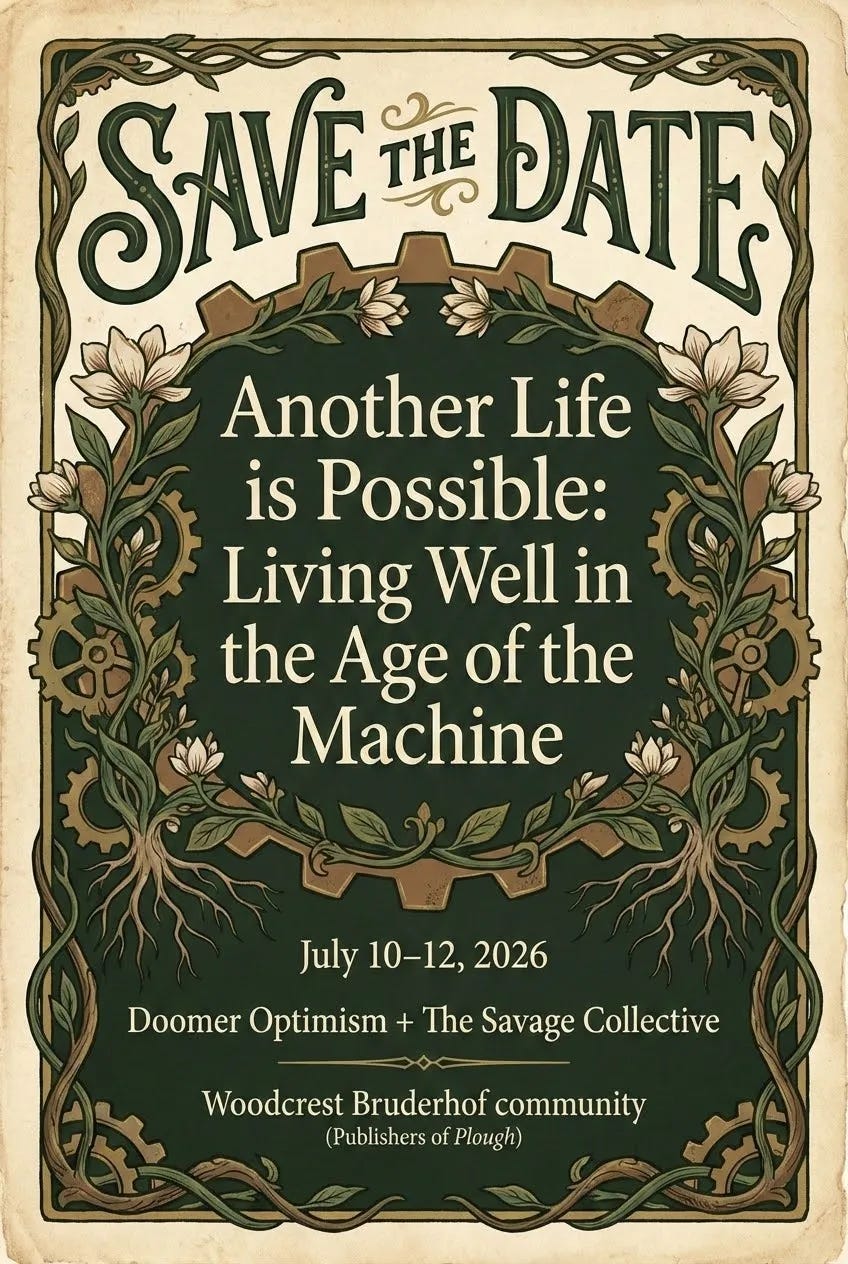
“Another Life is Possible”—Join Peco and me at the next Doomer Optimism Gathering from July 10-12th at the Woodcrest Bruderhof in Rifton, NY! Other speakers will include Bill Kauffman, Chris Arnade, A.M. Hickman, Charles Carman, Tessa Carman, Grant Martsolf, Brandon Daily. These gathering are truly inspiring and include not just fantastic presentations and panel discussions, but potluck meals, lively debates, sing-alongs, dance, and conversations that will stay with you for months to come! See here for details.
Further Reading
The Memory Paradox: Why Our Brains Need Knowledge in an Age of AI by Barbara Oakley
AI Tools in Society: Impacts on Cognitive Offloading and the Future of Critical Thinking by Michael Gerlich
Generative AI and deeper thinking: What’s in our heads still matters by Paul W. Bennett
The Most Important Memory is Still the One Inside Your Head by Carl Hendrick
Memorising poems and stories is magic that remakes the material world by Eleanor Robins
How I read poems, with aphantasia and The Shape of Things Unseen (Review) by Hollis Robbins
There is No Thinking Without Memorizing by Jon D. Schaff
Sweat the Small Stuff by Mark Bauerlein
Why We Should Memorize by Brad Leithauser for The New Yorker
Writers Against AI: Choose your story. Take your stand. by Paul Kingsnorth
See Sweat the Small Stuff by Mark Bauerlein in First Things
It’s also worth keeping in mind that our emotions are an important part of remembering. The more we’re curious or interested in a subject, or the more we care about it, the stronger our memories about it will be. Our memory abilities might be innately powerful, yet if we’re apathetic or disinterested, we won’t have the motivation to apply our minds fully. Cultivating curiosity about our subject matter, and perhaps reflecting on the reasons for why it matters, are a key part of learning and remembering.
We first introduced the idea of The Great Forgetting in a post published in April, 2023.